Table of Contents
Struggling to get rid of dark skin on neck despite your best efforts? Many of us overlook the neck when focusing on skincare—but this visible area can take on discoloration from sun exposure, friction, hormonal changes or underlying health issues. With the right knowledge and consistent care, you can restore a more even tone and confidence in your neckline.
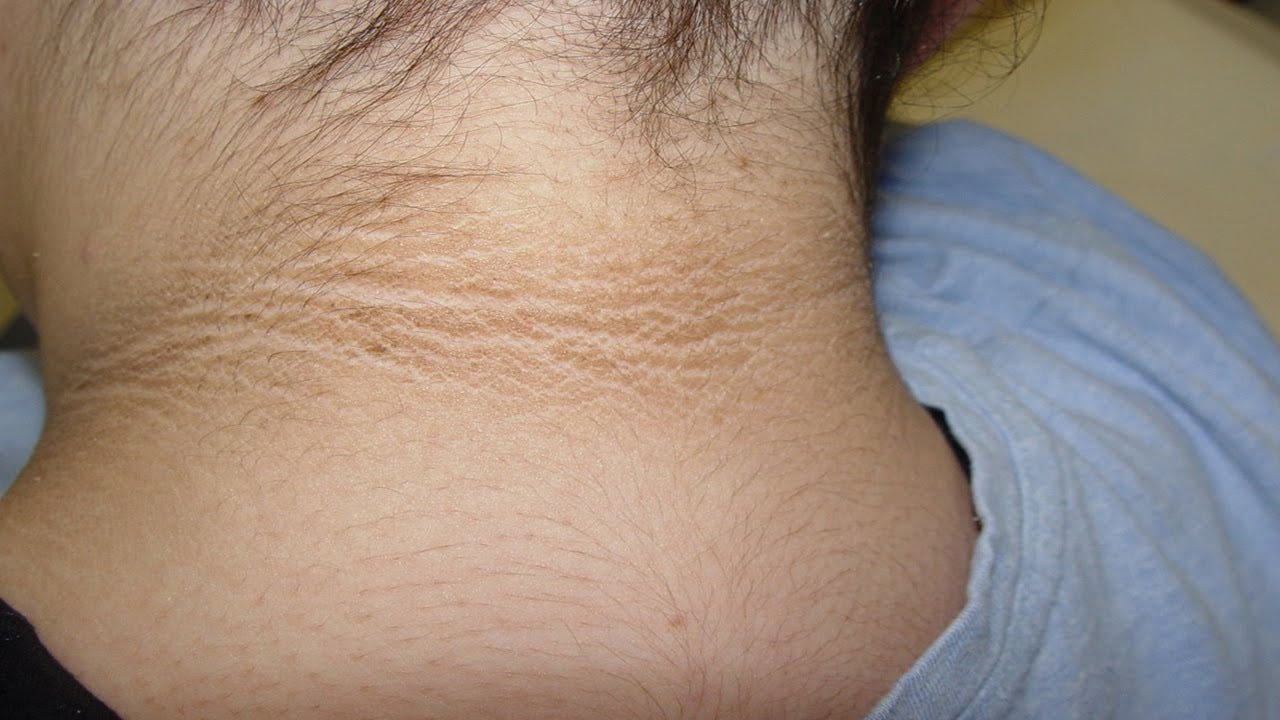
1. What Is Neck Discoloration?
“Dark skin on neck” refers to visible areas of the neck that are significantly darker than the surrounding skin. It may appear as a band or patch, often where the neck folds, at the hairline or under the chin. Common medical terms include Acanthosis Nigricans and “black neck syndrome”.
While it’s often harmless, it can also be a visible cue to underlying conditions or skincare neglect.
2. Why Does Dark Skin on the Neck Happen?
Here are major contributing factors:
- Friction & Heat: Frequent rubbing between clothing, hair, or movement causes hyperpigmentation in skin folds.
- Sun Exposure & UV Damage: The neck is often exposed and under-protected; UV rays stimulate melanin production, leading to darker patches.
- Poor Hygiene & Product Buildup: Sweat, oils, dead skin and heavy hair or skincare products can accumulate on the neck and darken the skin.
- Hormonal / Metabolic Conditions: Acanthosis nigricans is often linked to insulin resistance, obesity, thyroid disorders or PCOS.
- Skin-Condition Triggers: In some cases, fungal infections, poikiloderma of Civatte, or medication-induced pigment changes play a role.
As Acanthosis Nigricans teaches, treating the underlying cause (for example high insulin levels) can improve skin appearance.
3. How to Assess the Severity & Catch Warning Signs
- Look for dark, velvety, thick patches, usually at the back, sides or front of neck.
- Sudden dark patches or ones spreading rapidly may warrant a medical check-up (could be sign of internal condition).
- Check for related signs: excessive hair, weight gain, oily skin, rash in skin folds.
If you suspect an underlying condition, consult a dermatologist or physician.
4. What Treatment Options Exist?
Treatment falls into two broad categories: addressing underlying causes and topical/skin-care interventions.
a) Address Underlying Causes
- Weight loss, improved diet, physical activity — reduce insulin resistance and may lighten neck patches.
- Manage hormonal disorders, thyroid issues, or medication side effects.
- Reduce friction and heat exposure (loose clothing, avoid heavy scarves, keep neck dry).
b) Skin-Care & Topical Treatments
- Exfoliation: Gentle use of AHAs (glycolic, lactic acid) or BHAs (salicylic) helps remove dead skin and smooth tone.
- Brightening Ingredients: Topical creams with niacinamide, vitamin C, retinoids and skin-lightening agents under dermatologists’ guidance.
- Sunscreen: Broad-spectrum SPF 30+ daily helps prevent further darkening.
- Professional Options: For persistent or thickened patches there are chemical peels, laser therapy or dermabrasion.
5. Home-Remedy & Routine Adjustments
Implementing a consistent routine helps support improvement over time:
- Cleanse the neck daily: Use gentle cleanser to remove oils, sweat and debris.
- Weekly exfoliation: Use a mild scrub or chemical exfoliant 1-2 times per week but avoid harsh scrubbing.
- DIY masks: Natural options (e.g., yogurt + turmeric + gram flour) can support skin tone; results are gradual.
- Moisturise: Keep skin hydrated to maintain barrier and reduce pigment-stimulating inflammation.
- Sun protection: Use protective clothing, hats and apply sunscreen generously.
- Lifestyle tweaks: Improve diet (fruit/veg, whole grains), ensure hydration, reduce processed food intake.
6. What to Expect: Timeline & Realistic Results
- Initial visible improvement (smoother texture, reduced friction) often seen in 4-6 weeks with consistent routine.
- Significant lightening of dark patches may take 3-6 months or more, especially if underlying metabolic causes exist.
- Some severe or long-standing discoloration may not completely resolve but can be significantly reduced in appearance.
7. When to See a Dermatologist Immediately
- Rapid darkening or spreading of neck discoloration.
- Dark patches accompanied by itch, foul odor, skin tags or thickening.
- If you suspect diabetes, thyroid disease or hormonal imbalance.
- If over-the-counter treatments irritate your skin or worsen pigmentation.
8. Preventive Strategies: Stop Dark Neck From Returning
- Maintain good neck hygiene and avoid heaviness/occlusion (e.g., tight collars, helmets).
- Use mild cleansers, avoid heavy oils on back of neck/hairline.
- Always apply sunscreen to neck if exposed outdoors.
- Keep maintaining healthy weight, balanced diet and active lifestyle.
- Select gentle skincare/haircare products, avoid harsh chemicals near hairline and neck area.
To get rid of dark skin on neck you need a holistic approach: treat any root causes (metabolic, hormonal, friction) while adopting a consistent skin-care routine—wise cleansing, exfoliation, sun protection and brightening ingredients. With patience (over weeks to months) and smart habits, you can visibly improve the tone of your neck, restore confidence in your neckline and reduce the appearance of those stubborn patches.
FAQs on How to Get Rid of Dark Skin on Neck
What causes dark skin on the neck?
Dark skin on the neck is often caused by friction, sun exposure, poor hygiene, or underlying health conditions like insulin resistance, obesity, or thyroid disorders. It can also result from dead skin buildup, use of harsh cosmetics, or constant rubbing from clothing or jewelry.
Is dark neck a sign of a health problem?
Yes, in some cases. A dark, velvety neck could indicate a condition called Acanthosis Nigricans, which is often linked to diabetes, PCOS, or hormonal imbalance. If you notice sudden or severe darkening, consult a dermatologist or physician for proper evaluation.
How can I get rid of dark skin on neck naturally at home?
You can lighten neck discoloration with home remedies like:
Applying a mix of yogurt, turmeric, and gram flour for gentle exfoliation.
Using lemon juice and honey for mild bleaching and hydration (only if your skin isn’t sensitive).
Aloe vera gel for soothing and brightening.
Consistency is key—use natural remedies regularly for several weeks to notice improvement.
Which cream is best for dark neck?
Look for dermatologist-approved creams containing:
Niacinamide (for brightening and barrier repair)
Vitamin C (for pigmentation control)
Retinoids (to boost cell renewal)
Lactic acid or glycolic acid (for gentle exfoliation)
Use sunscreen daily to maintain results and prevent further darkening.
Can exfoliation help in removing dark skin on the neck?
Absolutely! Exfoliation removes dead skin cells that make the neck look dull and dark. Use a mild chemical exfoliant (AHA or BHA) once or twice a week instead of harsh scrubs that can irritate the skin.
How long does it take to get rid of dark skin on neck?
With consistent skincare and protection, mild cases can improve in 4–6 weeks. For deeper pigmentation or hormonal causes, it may take 3–6 months. Patience and regular care are essential for visible results.
Does sun exposure make neck skin darker?
Yes. The neck area is often neglected when applying sunscreen, making it vulnerable to UV-induced pigmentation. Always apply a broad-spectrum SPF 30+ sunscreen on your neck daily, even if you’re indoors most of the time.
Can poor hygiene cause dark skin on neck?
Yes, neglecting to clean the neck properly can cause sweat, oil, and dead cells to accumulate, leading to discoloration. Cleanse the area gently twice daily and exfoliate weekly to maintain clear, even skin.
Can I use the same face products on my neck?
In most cases, yes. Your neck skin is similar to facial skin, so moisturizers, serums, and sunscreens for the face are usually safe for the neck. Just avoid strong acids or retinoids unless recommended by your dermatologist.
When should I see a doctor for dark skin on neck?
If the discoloration appears suddenly, thickens, spreads rapidly, or is accompanied by itching, odor, or skin tags, it’s time to visit a dermatologist. These may be signs of underlying medical conditions that need professional care.
Can losing weight help lighten a dark skin on neck?
Yes, in some cases. If your dark neck is related to Acanthosis Nigricans or insulin resistance, losing weight and improving your diet and activity levels can help regulate hormones and gradually reduce pigmentation.
Is laser treatment effective for dark skin on neck?
Laser treatments like Q-switched Nd:YAG or fractional lasers can reduce deep pigmentation when topical treatments fail. However, these should be done only by certified dermatologists after identifying the root cause.