If you’re wondering “Why Should You Include Cabbage in Your Diet and Daily Life?”, you’re about to discover why this humble–and often overlooked–vegetable deserves a permanent place on your plate. Cabbage is inexpensive, widely available, versatile in the kitchen, and packed with nutrients and plant compounds that support digestion, heart health, immunity, weight management and more. This long-form, user-friendly and SEO-optimized article will walk you through what makes cabbage beneficial, how to include it easily in your daily diet, who should be a little cautious, and practical recipes & tips to get the most out of it.
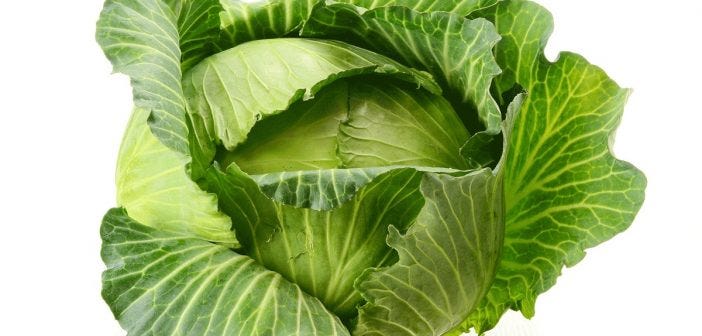
Why Should You Include Cabbage in Your Diet and Daily Life?
1. Nutrient-Packed Yet Low in Calories
One of the first things that makes cabbage worth including is its sheer nutrient-density. According to nutrition research, just 1 cup (≈ 89 g) of raw green cabbage contains around 22 calories, 1 g protein, 2 g fiber, vitamin K (~56% of daily value) and vitamin C (~36%) among other micronutrients.
This combination of very low calories + moderate fiber + high nutrients means you can eat more volume (great for fullness) without over-loading calories—something especially helpful for weight management.
2. Supports Digestion & Gut Health
Cabbage is high in both insoluble and soluble fiber. The insoluble fiber adds bulk to stool and helps regularity, while soluble fiber supports healthy gut bacteria and slows digestion of carbohydrates.
Moreover, fermented cabbage (as in sauerkraut, kimchi) introduces beneficial probiotics and helps with gut microbial diversity. Regular digestion and a healthy gut are foundational for overall health—nutrient absorption, immunity, mood.
How to benefit: Add shredded raw cabbage to salads, use steamed cabbage as a side, or occasionally include fermented cabbage dishes. Make sure to drink enough water so the fiber works well.
3. Heart, Blood Pressure & Cholesterol Benefits
Cabbage contributes several nutrients and plant compounds that support cardiovascular health:
- It supplies potassium, which helps regulate blood pressure by counteracting sodium’s effects.
- It contains soluble fiber + plant sterols (phytosterols) which may help lower LDL (“bad”) cholesterol.
- Some types—like red/purple cabbage—contain anthocyanins (pigments) that have antioxidant and anti-inflammatory effects, which further protect blood vessels and heart health.
For these reasons, including cabbage regularly is an affordable and accessible strategy to support heart health long-term.
4. Immunity, Skin & Bone Support
Because cabbage is rich in vitamin C, vitamin K, folate and other phytonutrients, it helps:
- Make collagen (thanks to vitamin C), supporting skin health, wound healing and vascular integrity.
- Provide vitamin K, which is essential for blood clotting and bone health (important for preventing osteoporosis).
- Supply antioxidants which reduce oxidative stress—a major underlying contributor to aging, skin damage and immune decline.
Thus, making cabbage a regular food contributes beyond just “veggies” and touches upon systemic support.
5. Weight Management & Metabolic Health
Because cabbage is low in calories but high in fiber and volume, it supports satiety (feeling full) without heavy caloric load. That make it a strong ally in weight-control efforts.
Additionally, higher intake of non-starchy vegetables like cabbage is associated with better blood sugar regulation and lower risk of type 2 diabetes. Some studies attribute this benefit to its fiber, low glycaemic load and beneficial plant compounds (glucosinolates, anthocyanins) found in cabbage.
How to use: Replace part of your carbohydrate portion (rice, bread) with steamed or raw cabbage quite often. Try “cabbage wraps” instead of tortilla wraps, or a large raw cabbage-based salad.
6. Versatility & Cost-Effectiveness in Daily Life
One of the practical advantages of cabbage is its ease of availability, low cost, long shelf life (especially the firm-headed varieties) and culinary versatility:
- Raw shredded in salads or coleslaw
- Steamed, sautéed, or added to soups/stews
- Fermented into sauerkraut/kimchi for probiotic boost
- Used as wraps instead of breads/tortillas
This means you don’t need expensive “superfoods” to gain benefits—regular cabbage can go a long way.
7. How to Include Cabbage in Your Daily Routine
Here are practical ideas to incorporate cabbage effectively:
- Breakfast: Use shredded cabbage in an omelette or scramble or make a sautéed cabbage stir-in with eggs.
- Lunch: Add raw red cabbage to your salad for colour, crunch and nutritional boost.
- Dinner: Make a large side of roasted or steamed green or purple cabbage with herbs and olive oil.
- Snack: Use cabbage leaves as wraps for hummus + veggies or leftover protein instead of bread.
- Fermented: Once a week include kimchi or sauerkraut as a probiotic side.
- Batch cook: Chop up a head of cabbage at the start of the week, store it, and use as needed in casseroles, stir-fries or soups.
Tip: Choose both green and red/purple variety when possible—red/purple has extra antioxidants due to anthocyanins.
8. Who Should Be a Little Cautious & What to Watch For
Although cabbage is broadly safe and healthy, there are a few considerations:
- Gas/Bloating: Cabbage, like other cruciferous vegetables, may cause increased gas or bloating in some people. Solutions: introduce gradually, cook rather than keeping it entirely raw, pair with digestive-friendly herbs (cumin, asafoetida).
- Thyroid issues: Raw cabbage contains goitrogens (substances that may interfere with thyroid function when eaten in extremely large amounts raw). If you have hypothyroidism, check with your healthcare provider.
- Blood-thinners: Because cabbage is high in vitamin K, people taking anticoagulants (like warfarin) must maintain consistent intake and consult their doctor.
In general, for most people, including 1–2 cups of chopped cabbage per day is safe and beneficial.
9. Expected Timeline & Outcomes
- Within 1-2 weeks: You may notice more fullness (less snacking), easier digestion (especially with fiber and water from cabbage) and increased vegetable intake.
- Within 4-8 weeks: With consistent intake, you may observe subtle improvements: lower blood pressure (if previously elevated), steadier energy levels, better bowel regularity, perhaps improved skin tone.
- Long-term (months to years): Regular consumption supports long-term cardiovascular, bone and metabolic health—and may contribute modestly to cancer-risk reduction (via the glucosinolate pathway). While cabbage is not a magic bullet, it is a highly consistent “health-boosting” vegetable that accumulates benefit over time.
10. Mistakes to Avoid
- Don’t rely on cabbage alone and neglect variety: It’s excellent, but your diet still needs other vegetables, fruits, whole grains, lean protein and healthy fats.
- Don’t overcook every time: Cooking too long may reduce vitamin content (especially vitamin C) and some fibrous crunch, which helps digestion. Aim for some raw or lightly cooked forms.
- Don’t expect instant “superfood” effects: The real value of cabbage is incremental and cumulative.
- Don’t ignore overall lifestyle: Cabbage supports health—but if you are sedentary, stressed, sleep-deprived, and eat highly processed foods, the benefit is muted.
- Don’t combine with hundreds of other cruciferous veggies without caution if you have gut sensitivity: vary your greens.
Final Thoughts
If you’re looking to answer the question “Why should you include cabbage in your diet and daily life?”, the answer is simple yet powerful: cabbage brings high nutritional value, digestive and gut-health benefits, cardiovascular support, metabolic assistance, immunity and skin advantages, all at low cost and high convenience. Incorporating it regularly—2–4 times a week or more—and varying your preparation means you’re leveraging one of nature’s best vegetables. Paired with healthy lifestyle habits (movement, hydration, sleep, other colourful vegetables), cabbage becomes an accessible and effective tool in your wellness toolkit.