Understanding the Yoga Sutras of Patanjali is essential for anyone interested in yoga beyond just the physical postures. This ancient text, composed of apothegms or “sūtras,” outlines a complete system for personal and spiritual growth. Rather than focusing solely on asanas, Patanjali offers a holistic guide — ethics, breathwork, meditation, and ultimately, union with one’s true self.
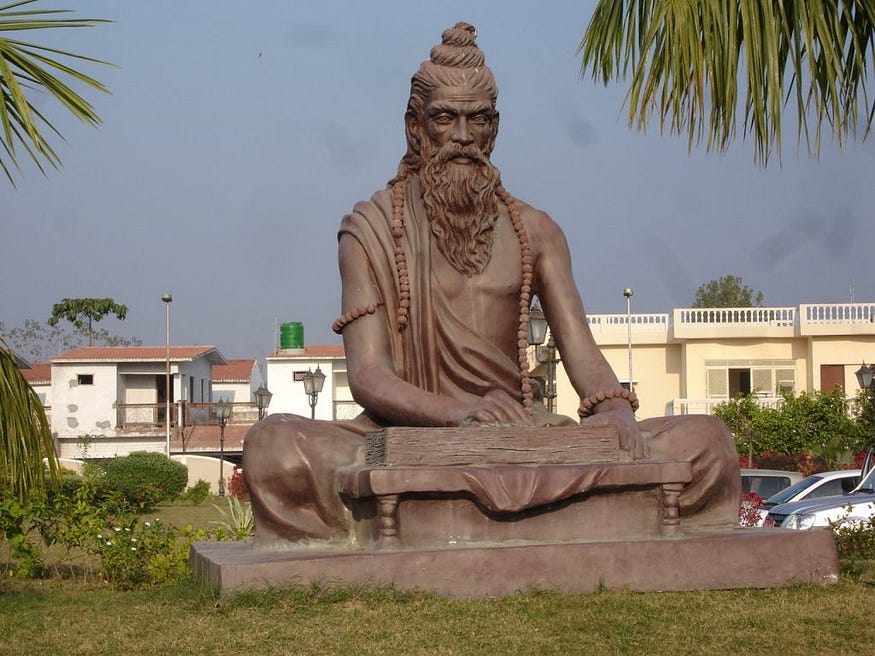
What Are the Yoga Sutras of Patanjali?
- The Yoga Sutras is a classic and concise text that compiles around 195–196 short aphorisms on yoga philosophy and practice.
- Attributed to the sage Patañjali, it was compiled in early centuries CE, drawing from older Indian traditions like Sāṃkhya, ascetic practices, and meditative approaches.
- The text is divided into four “padas” (chapters):
- Samādhi Pada – Nature of yoga, the goal, and the concept of mind fluctuations
- Sādhanā Pada – Practice, discipline, and the eight-limbed path (Ashtanga)
- Vibhūti Pada – Powers (siddhis) that may arise through deep practice
- Kaivalya Pada – Liberation or isolation (kaivalya) as the ultimate aim
The 8 Limbs of Yoga (Ashtanga) According to Patanjali
One of the most famous teachings in the Yoga Sutras is the Eightfold Path, also known as Ashtanga Yoga. These are the core “limbs” or components of the yogic journey.
Here is a breakdown of each limb and what it means:
- Yama (Moral Disciplines)
- Ethical guidelines for how we relate to the world: non-violence (ahimsa), truthfulness (satya), not stealing (asteya), moderation or restraint (brahmacharya), and non-possessiveness (aparigraha).
- These are about restraining harmful behavior and cultivating compassion.
- Niyama (Self-Observances)
- Internal practices and self-discipline: purity/cleanliness (śaucha), contentment (santosha), austerity (tapas), self-study (svadhyaya), and surrender to a higher consciousness (Ishvara-pranidhāna).
- Niyamas support inner growth and self-reflection.
- Asana (Postures)
- Physical postures practiced in modern yoga are derived from this limb. Patanjali’s intent was more than exercise: steady, comfortable poses form a stable base for meditation.
- The word asana itself means “seat” — highlighting meditation’s role early in yoga.
- Pranayama (Breath Control)
- Techniques to regulate the breath (prāṇa) and thereby influence life energy and mental clarity.
- It serves as a bridge between the body (asana) and more subtle practices (dharana, dhyana).
- Pratyāhāra (Sense Withdrawal)
- Training to gently withdraw the senses from external distractions, turning focus inwards.
- This stage helps in disengaging from constant sensory input, preparing for inward practice.
- Dhāraṇā (Concentration)
- One-pointed concentration: fixing attention on a chosen object, mantra, or image.
- Builds mental stability and prepares the mind for deep meditation.
- Dhyāna (Meditation)
- Sustained, uninterrupted flow of concentration, where the meditator merges with the object of focus.
- It is not merely thinking; it’s a contemplative absorption.
- Samādhi (Union / Liberation)
- The culmination: a state of deep, profound connection with the object of meditation or with pure consciousness.
- In Patanjali’s words, it’s when the practitioner transcends ego and experiences unity.
Why These Sutras Matter Today
- Complete System, Not Just Exercise: Many modern yoga practitioners focus mainly on asanas (poses), but Patanjali’s sutras emphasize that true yoga is a holistic system — ethical, mental, physical, and spiritual.
- Path to Mental Clarity: At its core, Patanjali defines yoga as “citta vṛtti nirodhaḥ” — the stilling of mental fluctuations.
- Timeless Guidance: The moral and ethical principles (yamas and niyamas) offer guidance that remains relevant — helping individuals build integrity, discipline, and self-understanding.
- Inner Transformation: Practices like pranayama, pratyahara, and meditation help modern practitioners go beyond physical health and tap into inner peace and self-realization.
- Realistic Spiritual Goal: Samādhi, according to Patanjali, isn’t about supernatural powers (though the text discusses them), but about deep inner freedom and clarity.
How to Apply the Yoga Sutras in Real Life
- Start with Ethics (Yama & Niyama)
- Incorporate simple practices like kindness (ahimsa) and contentment (santosha) in daily life.
- Use Niyamas to reflect: self-study (svadhyaya) can be journaling or reading spiritual texts.
- Use Asana for Stability
- Practice gentle, steady yoga postures to strengthen the body and calm the mind.
- Make your asana practice a foundation, not the goal.
- Explore Breathwork
- Learn basic pranayama techniques like alternate nostril breathing or deep abdominal breathing.
- Use the breath to calm the mind before or after meditation.
- Practice Sensing Inward
- Try meditation sessions where you gradually withdraw your focus from external stimulation.
- Use dharana (concentration) exercises like focusing on a candle, mantra, or your own breath.
- Cultivate Meditation (Dhyana)
- Develop a regular meditation routine — even 10–15 minutes daily helps.
- Focus on building a smoother, more consistent flow of awareness rather than forcing thoughts away.
- Acknowledge Samādhi as a Journey
- Understand that experiences of unity, peace, or deep insight may come gradually.
- Don’t chase “powers” (siddhis) — according to Patanjali, they are secondary to the main goal of clarity and freedom.
Final Thoughts
The Yoga Sutras of Patanjali remain one of the most profound and practical guides for anyone seeking more than just physical flexibility in yoga. They offer a timeless map — from ethical living to meditation and spiritual transformation — that is as relevant now as it was centuries ago. By practicing the eight limbs, we can aim not just for a healthier body, but for a clearer mind, a deeper sense of self, and ultimately, a more meaningful life.