If you’re seeking to learn how to take good care of finger nails?, you’re about to discover a comprehensive, user-friendly guide to nurturing your nails naturally and effectively. Healthy, well-maintained nails signal good hygiene and self-care, but they also demand consistent attention—from cleaning and trimming to nutrition and protective habits. In this detailed article, you’ll find not only step-by-step nail-care routines but also insights into what your nails might be trying to tell you about your overall health.
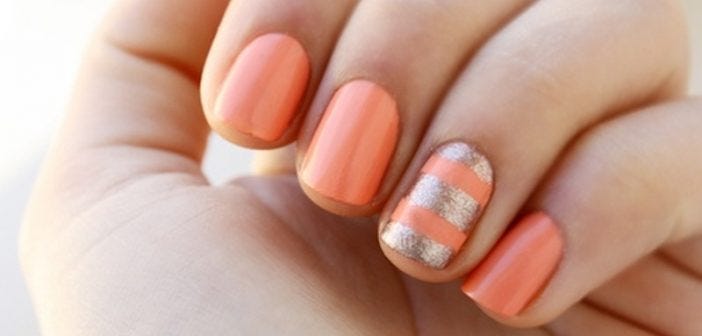
How to Take Good Care of Finger Nails?
1. Why Proper Nail Care Matters
Your finger nails are made of keratin and they grow from the nail root under the cuticle. When your nails are smooth, uniformly coloured and free of pits, grooves or discolouration, they typically reflect healthy conditions.
Good nail care helps in several ways:
- Prevents infections (fungal or bacterial) by keeping nails clean and dry.
- Reduces breakage, peeling, ridges or weak nails by protecting the nail plate and cuticle.
- Enhances appearance and confidence — well-cared nails contribute to the polished look of your hands.
- Acts as a subtle indicator of underlying health; changes might signal a systemic issue.
So, taking good care of your nails is not just cosmetic—it’s part of your overall health and hygiene regimen.
2. Daily Nail Hygiene Essentials
A) Keep Nails Clean & Dry
Moisture under the nails or repeated exposure to water can weaken the nail structure and make nails more prone to splitting or fungal growth.
Actions:
- Wash hands regularly; under the nails gently clean debris.
- After hand-washing or exposure to water (e.g., during dish-washing), dry nails thoroughly.
- Wear cotton-lined gloves when doing chores that involve soaking or detergents.
B) Trim & File with Care
Improper trimming or filing can damage the nail edge or cause snags that lead to breakage.
Actions:
- Trim nails straight across, then gently round the tips to reduce catching.
- Use a fine-grit nail file or glass file; always file in one direction rather than back-and-forth.
- Keep nails at a practical and comfortable length to avoid stress on the nail edges.
C) Moisturize & Nourish
Dry nails and cuticles are more likely to peel, split or form hang-nails.
Actions:
- Apply hand cream that also absorbs into the nails and cuticles after drying hands.
- Use cuticle oil or a nourishing oil (e.g., almond, jojoba, vitamin E) nightly for deeper nail bed nourishment.
D) Protect from Harsh Chemicals & Over-Exposure
Chemicals, detergents, frequent soaking and aggressive manicure tools can degrade nail health.
Actions:
- Wear gloves when cleaning, washing dishes or doing wet work.
- Use acetone-free remover when removing polish; limit frequent gel/acrylic manicures that stress the nail.
- Give nails regular breaks from polish and allow their natural colour to shine through.
3. Weekly & Routine Nail Care Habits
- Do a weekly check for rough edges or hang-nails; gently clip or file them rather than pulling.
- Buff lightly (if appropriate) to smooth surface ridges—but don’t over-buff, which can thin the nail.
- Once a week: soak nails in warm water (with mild soap or a drop of olive oil) for a few minutes, then apply cuticle oil.
- Monthly: sanitize your manicure tools (nail clippers, files, cuticle pusher) to prevent infection.
- After extended polish use, give nails a week free of color so they recover.
4. Inside-Out Nail Care: Nutrition & Health
What you eat, how you live and what’s going on inside your body affect your nails greatly.
Key nutritional aspects:
- Protein: Nails are keratin; sufficient protein supports growth and strength.
- Biotin, zinc, iron, vitamins A, C, E: Deficiencies in these nutrients can manifest in brittle, ridged or discoloured nails.
- Healthy fats and hydration: Keeping your body hydrated and including omega-3 fatty acids helps nail flexibility.
Lifestyle notes: - Avoid persistent nail-biting, picking at cuticles — these damage the nail bed and can lead to infection.
- Ensure adequate sleep, manage stress; systemic stress can impact nail growth rate and health.
- If nails show unusual changes (colour, shape, separation) consult a healthcare professional — as this might indicate health issues.
5. What to Do If You Have Common Nail Concerns
| Problem | Possible Cause | Supportive Steps |
|---|---|---|
| Brittle / splitting nails | Repeated wet/dry exposure, low nutrients | Use gloves, moisturise regularly, boost biotin/protein intake |
| Yellow or stained nails | Frequent polish use, fungal infection | Take polish-free breaks, use base coat, consult doctor if infection suspected |
| Ridges or uneven texture | Aging, minor trauma, underlying health issue | Gentle buffing, nutrition review, see doctor if horizontal grooves appear |
6. Avoiding Nail Care Mistakes
- Don’t pull off hang-nails — instead trim them safely; pulling can damage the nail bed.
- Avoid aggressive cuticle removal — cuticles protect the nail root, overdoing this increases infection risk.
- Don’t overuse harsh removers or strong chemical polishes; choose gentler formulas.
- Don’t expect overnight transformation — nails grow slowly (~3 mm/month) so improvements take time.
- Don’t ignore signs of underlying health issues if nails change significantly (shape, colour, thickening).
Final Thoughts
Learning how to take good care of finger nails? means embracing both everyday habits and deeper wellness support. Clean, dry nails, regular trimming, protection, proper nutrition and gentle care will yield strong, healthy nails that look great and reflect your overall wellbeing. Your nails are small—but they tell a big story. Treat them with care, and they’ll support your style, safety and confidence.