Table of Contents
If you’re exploring how to keep hair black and healthy with yoga exercises, you’re tapping into a powerful, natural approach that goes beyond topical treatments. Yoga supports circulation, hormone balance, stress reduction and scalp health—all of which contribute to strong, dark, vibrant hair. In this in-depth guide you’ll discover how to use yoga effectively for hair wellness, step-by-step routines, supporting practices and realistic outcomes.
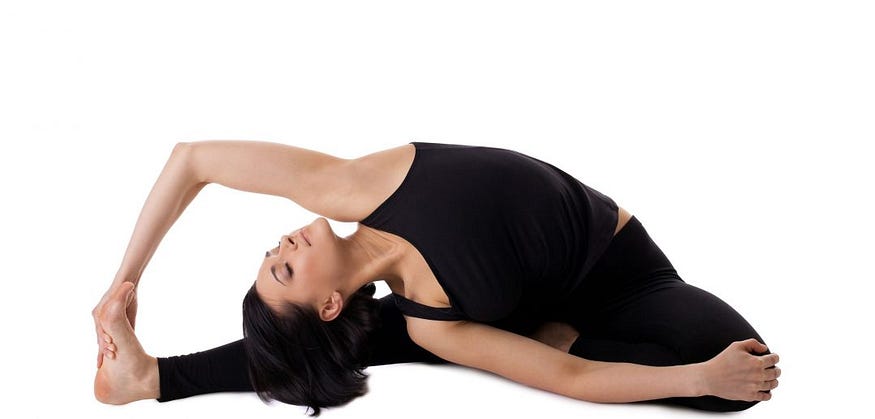
How to Keep Hair Black and Healthy with Yoga Exercises: A Comprehensive Guide
1. Why Yoga Can Support Hair Colour & Health
Hair colour (especially natural black or dark tones) and hair health depend on multiple factors: the condition of hair follicles, adequate blood flow to the scalp, hormonal balance, and low oxidative/stress damage. Yoga influences many of these factors:
- Yoga improves scalp blood flow, especially through inversions and forward-bends. Better circulation means hair follicles receive more oxygen and nutrients—key for healthy hair and pigment retention.
- Yoga supports stress reduction and lowers cortisol levels. High stress and elevated cortisol are linked to hair thinning, premature greying and alopecia.
- Yoga influences hormone balance and thyroid/ pituitary function—both relevant to hair growth, colour and quality. Certain yoga poses stimulate the neck and thyroid region.
- Yoga promotes systemic health (digestion, nutrient absorption, lymphatic flow) which in turn supports hair health from inside out. A healthy body means healthier hair.
By integrating yoga into your routine, you address hair wellness at its roots, which helps maintain natural hair colour and prevent early dullness or greying.
2. Essential Yoga Asanas & Pranayama for Hair Strength, Colour & Health
Below is a detailed list of yoga exercises especially beneficial for keeping hair black, healthy and vibrant. For each, we include how to perform it and why it helps.
A) Inversion/Forward-Bend Poses for Scalp Circulation
- Sirsasana (Headstand)
- How: Kneel, interlace forearms, place crown of head on the mat, walk feet in and lift legs vertically.
- Benefit: Intensifies blood flow to scalp, stimulates hair-follicle health and supports pigment maintenance.
- Note: Beginners should practice with wall support or under guidance.
- Sarvangasana (Shoulder Stand)
- How: Lie on back, lift legs and hips, support lower back with hands, keep body straight.
- Benefit: Enhances circulation, stimulates the thyroid region (important for hair health).
- Uttanasana (Standing Forward Bend)
- How: Stand feet hip-width, hinge at hips, head and arms relax downward. Keep knees slightly bent if needed.
- Benefit: A gentler inversion, improves blood flow to scalp, reduces tension and supports hair health.
B) Poses for Stress-Reduction, Hormone Balance & Nutrition
- Vajrasana (Thunderbolt/Kneeling Pose)
- How: Kneel, sit on heels, hands on thighs, keep spine straight, hold for 5-10 minutes or more.
- Benefit: Improves digestion and nutrient absorption which supports hair follicles and pigment retention.
- Adho Mukha Svanasana (Downward-Facing Dog)
- How: From hands & knees, lift hips, straighten legs and arms, forming an inverted “V”.
- Benefit: Enhances overall circulation, especially to scalp and head, reduces stress.
- **Pranayama & Breathing Techniques
- Techniques like Bhastrika (Bellows Breath) or Anulom Vilom (Alternate-Nostril Breathing)
- How: Sit comfortably, engage these breathing patterns for 5-10 minutes.
- Benefit: Improve oxygenation of scalp, reduce stress-hormone levels, promote scalp health.
3. Building a Weekly Yoga Routine for Hair Health
Here’s a sample weekly plan you can follow gradually (start slow and build):
Daily (10-15 minutes)
- 5 minutes gentle warming (neck/shoulder rolls, wrist/ankle circles)
- 5 minutes pranayama (Alternate Nostrils)
- 5 minutes Vajrasana or Child’s Pose for digestion & calm
3-4 times a week (20-30 minutes)
- Sirsasana (headstand) or Sarvangasana (shoulder stand) – hold 30-60 seconds or as comfortable
- Uttanasana – hold 30-60 seconds
- Adho Mukha Svanasana – hold 45-60 seconds
- Cool-down: Balasana (Child’s Pose), gentle neck stretch
Weekly Focus
- One session focusing on inversion + scalp circulation
- One session focusing on digestion/breathing + stress relief
- Ensure at least one day of rest or gentle movement (walking, stretching)
Tips
- Practice on empty or light stomach (2-3 hours after meal is good).
- Use a yoga mat and ensure safe environment—no rush, move slowly in and out.
- Pair with good hair-care: gentle cleansing, no tight hairstyles, minimal heat styling.
4. Nutrition & External Care to Support Hair Colour & Health
Yoga alone is powerful—but to keep hair black and healthy, you need to support from the inside and outside.
Internal nourishment:
- Protein-rich foods (eggs, lentils, nuts) help hair-fibre production.
- Micronutrients: iron, zinc, vitamin B12 and biotin support hair pigment and growth.
- Antioxidant-rich foods: berries, leafy greens, seeds reduce oxidative damage to pigments.
- Hydration: Drink plenty of water; dry scalp and hair fibroblasts struggle without hydration.
External care habits:
- Use gentle shampoo/conditioner; avoid over-washing or harsh chemicals which may strip pigment or damage hair.
- Protect scalp from UV exposure—sun can fade hair colour and stress follicles.
- Massage scalp 1-2 minutes daily helps stimulate circulation (in addition to yoga).
- Avoid tight ponytails or styles that pull on hair roots.
By combining yoga, nutrition and external care, you create a full ecosystem for hair that’s black, healthy and resilient.
5. What to Expect: Timeline & Realistic Outcomes
- Weeks 1-4: You’ll begin to notice less scalp-tension, improved hair feel, smoother texture, more scalp comfort.
- Month 2-4: With consistency, you may see stronger hair roots, less shedding, improved shine and perhaps better retention of natural colour.
- 6 months +: Maintaining routine will help delay greying, improve overall hair quality, maintain pigment density and scalp health.
Important to remember: genetics, age, and baseline condition play roles—yoga supports but does not guarantee full reversal of greying or major hair loss conditions.
6. Mistakes & Precautions
- Avoid performing advanced inversions (headstand) if you have neck/back issues, high blood pressure, or glaucoma. Always use modifications or professional guidance.
- Don’t rush—you can hold poses for shorter times if new and gradually increase.
- Yoga helps but does not replace medical treatment when underlying conditions (thyroid, alopecia areata) are involved. Seek specialist care if needed.
- Ensure you don’t ignore hair-care best practices—yoga + bad hair habits still leads to damage.
- Stay consistent—sporadic practice yields minimal gains.
- If you notice pain, dizziness, or hair fall increasing, pause and consult a yoga instructor/healthcare provider.
Final Thoughts
If you want to keep hair black and healthy with yoga exercises, start with a gentle, sustainable routine focused on circulation, stress relief, digestion and hair-care habits. Yoga offers a natural, holistic way to support the foundation of hair health from within—as you protect and nourish externally. Give yourself a few months of consistency, pair yoga with good nutrition and care, and you’ll likely see your hair feel stronger, look more vibrant and retain its healthy colour longer.