Table of Contents
If your hair feels heavy, shiny, limp or like it’s “oil-slicked” soon after washing, you’re not alone. Understanding how to get rid of greasy and oily hair is key because excess sebum (scalp oil) can weigh hair down, make styling difficult and reduce confidence. The good news? With the right shampooing strategy, scalp care, product choice and lifestyle tweaks, you can manage oiliness effectively and keep your hair looking fresh longer.
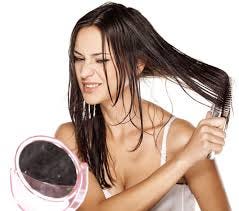
How to Get Rid of Greasy and Oily Hair: Effective Tips & Home Remedies for a Fresh-Feeling Scalp
🌿 1. Understand What Causes Greasy Hair
Greasy hair usually results from the scalp’s sebaceous glands producing more oil (sebum) than needed. This can be triggered by:
- Hormonal changes (puberty, menstrual cycle, stress) that stimulate oil production.
- Product buildup or residue on scalp/roots that holds oil and makes hair look greasy.
- Over-washing or hot water stripping oils, causing scalp to over-produce sebum in response.
- Habits such as touching, brushing or playing with hair frequently — this spreads oil from scalp to hair shaft and makes greasiness more visible.
Knowing the root causes helps you target the right steps.
🧼 2. Scalp & Hair Cleansing Routine for Oily Hair
a) Shampoo Smartly
- Use a shampoo formulated for oily/greasy hair or sebaceous-type scalp. Focus shampoo on the scalp rather than the hair ends.
- If your hair gets greasy fast after washing, avoid scrubbing too hard: gentle cleansing prevents overstimulation of oil glands.
- Use lukewarm (not hot) water to rinse—hot water can wake up oil production and make hair look limp.
b) Condition Carefully
- Apply conditioner only to the mid-lengths and ends, not to the scalp or immediate root area. Roots already produce oil; you don’t want to add to them.
- Choose lightweight, non-oily conditioners; avoid products with heavy silicones or oils at the root.
c) Clarify Periodically
- Once a week (or as needed) use a clarifying shampoo or scalp scrub to remove buildup from hair products, hard water minerals or oil residue.
🌱 3. Home Remedies & Natural Supports for Oily/Greasy Hair
Here are practical, at-home remedies you can integrate alongside your routine:
- Apple Cider Vinegar (ACV) Rinse: Dilute ACV (e.g., 2-3 teaspoons in a cup of water) after shampooing, leave for a few minutes, then rinse. ACV may help remove excess oil and product buildup.
- Aloe Vera Scalp Mask: Apply pure aloe vera gel to the scalp before or after washing to help regulate oil production and soothe the scalp.
- Honey or Yogurt Mask: Mix honey (with its antimicrobial properties) or yogurt with lemon for oily scalp care — this can absorb oil and refresh hair.
- Dry Shampoo / Cornstarch Trick: On non-wash days, dust corn-starch or baby powder (or use a dry shampoo) at the roots to absorb oil and extend your style.
🧢 4. Lifestyle & Daily Habits That Make a Difference
- Avoid touching or brushing your hair too much: Each brush or touch can spread oil from scalp to lengths and make hair appear greasy faster.
- Keep hair-care tools and pillows clean: Oil and dirt accumulate on brushes and pillowcases and transfer back to the scalp/hair. Clean monthly.
- Mind your diet and stress: Some evidence links high-glycemic foods, excess dairy, stress and hormonal imbalances to more scalp oil. Adjusting diet may help.
- Avoid heavyweight products at the roots: Heavy serums or oils applied too close to the scalp add to the oil burden. Use lightweight styling products.
- Dry your hair well (but not with too much heat at roots): Air drying or cool-setting your blow dryer helps; hot blow drying at the scalp can stimulate oil glands.
🔍 5. When to Wash & How Often
There’s no single “right” frequency for everyone, but general guidance for greasy hair:
- If your scalp becomes oily quickly, you may need to wash every other day or even daily with a gentle shampoo.
- If your hair is overly stripped or irritated by daily wash, try extending to every 2-3 days while using dry shampoo or oil-absorbing techniques between washes.
- Monitor and adjust: keep a log of how your hair feels after different intervals and routines.
📝 6. Sample Routine for Greasy Hair
Morning / Wash Day:
- Shampoo focused on scalp with an oily-hair or clarifying formula.
- Conditioner only on mid-lengths and ends.
- Rinse thoroughly with cool/tepid water.
- Use a dry shampoo or oil-absorb product at the roots as needed.
Midday / Non-Wash Day:
- Avoid running fingers through hair or playing with it.
- Use a wide-toothed comb instead of constant brushing.
- If oily spots appear, lightly refresh roots with dry shampoo/cornstarch.
Night:
- Tie hair loosely if long; use clean pillowcase.
- Consider a scalp mask (e.g., aloe or ACV rinse) once a week before bed.
✅ Important: What to Avoid
- Avoid hot water wash and aggressive scrubbing of scalp — both can make oil production worse.
- Avoid applying heavy oils, butters or viscous serums to the scalp (these may weigh hair down or increase build-up).
- Avoid skipping wash days if you already have oily scalp and product build-up — it can exacerbate oiliness and scalp issues.
If you’re asking how to get rid of greasy and oily hair, it’s about combining smart scalp care, proper cleansing, suitable product choices and supportive habits. With consistency, you’ll see your hair feel fresher, lighter and cleaner — and you’ll be able to style it with more confidence. Greasy hair isn’t a permanent sentence; it’s something you can manage with the right routine and lifestyle tweaks.
FAQs on How to Get Rid of Greasy and Oily Hair
What causes greasy and oily hair?
Greasy or oily hair occurs when the scalp’s sebaceous glands produce excess sebum (natural oil). This can happen due to hormonal changes, over-washing, harsh shampoos, poor diet, or touching your hair too often. Environmental factors and product buildup can also make hair appear greasy faster.
How often should I wash my oily hair?
For most people with oily hair, washing every other day works best. However, if your scalp becomes greasy quickly, you may need to wash daily using a gentle, sulfate-free shampoo. Finding your ideal wash frequency is key—over-washing can stimulate more oil production.
Does using conditioner make my hair greasier?
Not necessarily. Conditioner is essential for healthy hair, but apply it only to the mid-lengths and ends, not the roots. Choose lightweight, oil-free or silicone-free conditioners to hydrate without adding excess oil.
Can diet affect oily hair?
Yes. A diet high in refined sugars, greasy foods, or dairy can increase sebum production. For healthier hair, include foods rich in zinc, omega-3 fatty acids, and vitamins A and E. Drink plenty of water to keep your scalp balanced.
Are home remedies effective for greasy hair?
Absolutely! Natural treatments like apple cider vinegar rinses, aloe vera masks, and green tea rinses can balance scalp oil production and remove buildup. Use them 1–2 times a week along with a consistent cleansing routine.
Does brushing my hair too often make it oily?
Yes. Frequent brushing spreads natural oils from the scalp through the hair shaft, making your hair appear greasy. Limit brushing to once or twice a day and use a clean, wide-toothed comb.
Can stress cause oily hair?
Stress can indirectly cause oily hair by increasing hormonal activity, which stimulates sebum production. Managing stress through yoga, meditation, or regular exercise can help regulate scalp oiliness.
Which shampoos are best for oily hair?
Look for clarifying, volumizing, or oil-control shampoos containing ingredients like salicylic acid, tea tree oil, or charcoal. Avoid creamy or moisturizing shampoos that can weigh down hair and increase oiliness.
Is dry shampoo good for greasy hair?
Yes, dry shampoo is an excellent quick fix. It absorbs excess oil, adds volume, and refreshes the hair between washes. However, overuse can clog pores, so use it sparingly (no more than twice between washes).
How can I prevent oily scalp in the long term?
To prevent oily scalp:
Wash hair regularly with lukewarm water.
Avoid touching or brushing hair too much.
Clean your brushes and pillowcases often.
Use lightweight, oil-free styling products.
Maintain a balanced diet and stay hydrated.