In your skincare routine, a homemade cleansing lotion is a soft, soothing way to remove dirt, makeup, and pollutants without stripping your skin’s natural moisture. Unlike foaming or gel cleansers, a lotion-cleanser (or milk cleanser) cleanses and hydrates in one go — making it ideal for sensitive, dry, or mature skin. Below, you’ll find a detailed guide on why it’s beneficial, how to make it, how to use it, and important safety tips.
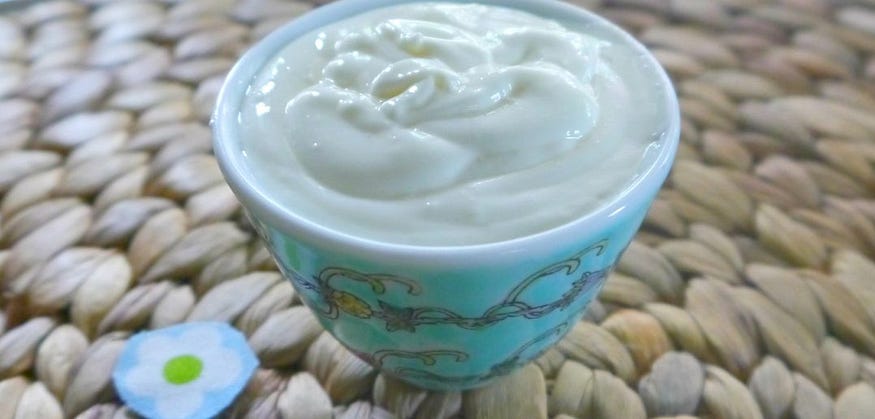
Why Choose a Homemade Cleansing Lotion?
- Gentle Cleansing: DIY cleansing lotions avoid the harsh surfactants often present in commercial cleansers. Using plant-based oils and light emulsifiers keeps the skin soft post-wash.
- Customizable Ingredients: You can tailor your lotion to your skin’s needs — whether it’s soothing botanicals or hydrating oils.
- Natural Hydration: By combining water-based ingredients (like rosewater or floral hydrosols) and humectants (like glycerin), a cleansing lotion helps your skin retain moisture.
- Cost-Effective: Once you’ve gathered the basic ingredients, making your own cleansing lotion can save money compared to buying premium cleansers.
- Minimal Irritation: Recipes based on herbal infusions or milk cleansers can be gentle on delicate or reactive skin.
How to Make a Homemade Cleansing Lotion
Here’s a simple DIY recipe inspired by trusted natural skincare sources:
Ingredients You’ll Need
- 120 ml distilled water (or herbal infusion)
- 2–3 tablespoons of a gentle oil (jojoba, sweet almond, or olive oil)
- 1 teaspoon mild surfactant / emulsifying agent (such as sucrose cocoate) for a non-foaming lotion texture
- ½ teaspoon glycerin (humectant) to draw moisture into the skin
- Natural preservative (optional, but recommended if you plan to store it): e.g., Leucidal liquid SF or ECO-cert preservative.
- A few drops of essential oil (optional — e.g., lavender, rose) for fragrance.
Method
- Prepare the Water Phase: Warm the distilled water (or herbal infusion) gently in a clean container.
- Prepare the Oil Phase: In another container, gently warm the oil and the emulsifier so they are roughly the same temperature as the water.
- Combine & Emulsify: Slowly pour the oil phase into the water phase, stirring constantly. Use a whisk or gentle blender to help mix until it becomes a uniform lotion.
- Cool & Add Extras: Once mixed, let it cool slightly, then stir in glycerin, preservative (if using), and essential oils.
- Bottle & Store: Transfer your lotion into a sterilized bottle. Without preservatives, store in the fridge and use within a week.
How to Use Your Homemade Cleansing Lotion
- Take a small amount (pea-sized or a pump) on your palm or a cotton pad.
- Gently massage it into your face and neck for 30–60 seconds, focusing on areas with makeup or dirt.
- Rinse off with lukewarm water, then pat your skin dry.
- Follow with your usual skincare routine (toner, moisturizer, etc.).
Variations & Customizations
Here are some ways to tweak the cleansing lotion recipe depending on your skin type or preferences:
- Herbal Infusion Cleanser: Use chamomile, lavender, or calendula water instead of plain water for added calming benefits.
- Mild Cleansing Milk for Dry/Mature Skin: Use more oil phase, and skip strong surfactants; this creates a richer, milkier cleanser.
- Hydrating & Soothing: Use rose hydrosol + aloe vera + glycerin for a forgiving formula that hydrates while cleansing.
- Anti-Aging Variation: Add a few drops of vitamin E or natural extracts like green tea to boost antioxidant benefits.
Benefits & Real-Life Evidence
- According to BeautyGlimpse, a small batch cleansing lotion made with herbs (like elderberry flowers) can “clean your skin without ripping the moisture out of it,” while offering antioxidant protection.
- L’Oréal’s DIY guide notes that using oils like olive or walnut helps dissolve even waterproof makeup while massaging boosts circulation.
- DIY enthusiasts often mention on forums (like Reddit) that a non-foaming cleansing lotion leaves skin feeling clean yet hydrated — without that “tight” feeling. > “When you’re done massaging, you add water, and it becomes … milky … then follow up … your face will feel clean and not dry afterwards.”
Important Tips & Precautions
- Preservatives Matter: If your lotion contains water and you plan to store it, using a natural preservative is recommended to prevent microbial growth.
- Sterilize Everything: Use clean, sanitized containers and tools to avoid contamination. > “Always need to use a preservative … using distilled water … another must.”
- Patch Test: Test the lotion on a small patch of skin (behind jaw or neck) for 24 hours before full use, especially if you’ve added essential oils.
- Store Properly: Without a preservative, store your lotion in the fridge and make small batches you can finish quickly.
- Adjust pH if Needed: For skin comfort and efficacy, aim for a slightly acidic pH (~4.5–5.5).
When to Use vs. When to Skip
Best for:
- Dry, mature, or sensitive skin that needs gentle cleansing
- Those who prefer a “milk” or lotion texture over foamy cleansers
- People who love DIY skincare and want to control ingredients
Maybe avoid if:
- You have very oily / acne-prone skin — foaming or gel cleansers may feel more effective (though you can adjust your DIY formula to be lighter)
- You don’t want to deal with preservation or making fresh batches frequently
Recommended Store-Bought Cleansing Lotions (If You Don’t Want to DIY)
Here are some ready-to-buy cleansing lotions that echo the gentle, nourishing feel of homemade versions:
- Epiclin Cleansing Lotion — A dermatologist-trusted gentle cleanser for sensitive skin.
- Khadi Natural Herbal Cucumber & Aloe Vera Cleansing Milk — Herbal, hydrating, and alcohol-free.
- Kumkumadi Cleansing Lotion — Ayurvedic formula with natural botanicals for cleansing and radiance.
Final Thoughts
A homemade cleansing lotion is a simple, skin-loving DIY that helps cleanse while maintaining moisture — perfect for those who want a gentle, chemical-free routine. With just a few natural ingredients, you can tailor your cleanser to your skin’s needs and enjoy the satisfaction of creating something truly personal.