
Table of Contents
Are you dealing with persistent flakes on your scalp and unexpected breakouts on your face? The surprising connection between dandruff and pimples might be the missing piece in your skincare puzzle. Understanding how an oily, flaky scalp can contribute to facial acne empowers you to treat both conditions effectively—leading to clearer skin and a healthier scalp.
Understanding the Basics: What Are Dandruff and Pimples?
What is Dandruff?
Dandruff refers to the flaking and sometimes itching of the scalp. It may be caused by an overgrowth of the fungus Malassezia globosa in oil-rich scalp areas, combined with accelerated skin-cell turnover and excess sebum production.
What Are Pimples (Acne)?
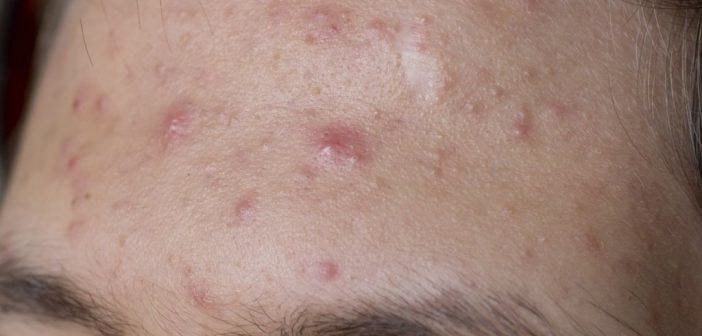
Pimples or Acne occur when hair follicles or skin pores become clogged with dead skin cells, oil (sebum), bacteria, or yeast — leading to inflammation, whiteheads, blackheads or pus-filled bumps. They can appear on the face, scalp, back or chest.
Why Are Dandruff and Pimples Often Seen Together?
Though dandruff and pimples are distinct conditions, they share several key triggers and can influence each other. Understanding this overlap helps in tackling both.
Shared Underlying Factors
- Excess Oil (Sebum) Production: When sebaceous glands produce more oil, the scalp becomes more prone to dandruff; similarly, facial skin with high sebum can get clogged pores and acne.
- Dead Skin Cell Accumulation: In dandruff, dead skin cells shed in large flakes; when these mix with sebum and transfer to the forehead or face, they may clog facial pores.
- Microbes and Yeast: Malassezia yeast (common in dandruff) and other microbes may contribute to inflammation on the face or scalp leading to breakouts.
- Oil Transfer & Contact Zones: Flakes and oil from the scalp may fall onto the hairline, forehead or back of neck, increasing risk of pores getting clogged and pimples forming.
How Dandruff Can Lead To Pimples
- Flakes + Sebum = Clogged Pores: Dandruff flakes mix with oily skin from the scalp and hairline, then land on facial skin — creating a “pore-clogging cocktail.”
- Spread of Irritation/Bacteria: Scratching or touching an itchy scalp transfers oil, microbes and flakes to face/neck, which can trigger acne.
- Same Hormonal Triggers: Puberty or hormonal fluctuations increase oil production — affecting scalp (dandruff) and face (acne) simultaneously.
Signs That Your Pimples May Be Linked to Dandruff
- Breakouts appear primarily near hairline, forehead, temples or back of neck.
- Scalp shows visible flakes, whiter or yellowish, and persistent itch.
- Hair or scalp often touches the face (e.g., long hair falling on forehead) or you wear hats/helmets.
- You use heavy hair-products that may drip or transfer to facial skin.
Effective Strategies to Manage Both Dandruff and Pimples
1. Scalp + Hair Care
- Use an anti-dandruff shampoo containing ingredients like ketoconazole, zinc pyrithione, selenium sulfide to control scalp oility and yeast.
- Wash hair regularly if you sweat, wear headgear or have oily hair. Don’t let flakes fall onto face or back.
- Avoid applying heavy conditioners or stylistic products to scalp; apply only on hair lengths.
- Keep hair away from face where possible (e.g., tie back) to reduce oil/flakes transfer.
2. Facial & Body Skin Care
- Use a gentle, non-comedogenic cleanser to remove oil and any transferred scalp flakes each night.
- For pimples near hairline, use with care salicylic acid or benzoyl peroxide treatments (after patch test).
- Wash pillowcases, headbands, hats frequently — these collect oil/flakes and re-deposit them on facial neck skin.
3. Product & Lifestyle Adjustments
- Avoid hair and face products that are heavy, occlusive or overly fragranced (may worsen oil/clogging).
- After hair washing, ensure no residue from shampoo or conditioner left on hair/skin that touches face.
- Keep sweat and friction in check (tight collars, helmets, headgear) because they aggravate both scalp and facial breakouts.
- Manage stress, get good sleep and avoid overly harsh hair/skin regimes — because stress triggers oil production and inflammation.
4. When To See A Dermatologist
- If after 6-8 weeks of consistent treatment both dandruff and pimples persist or worsen.
- If you experience painful cysts, deep nodules on scalp or face, or hair loss near breakout zones.
- If you suspect fungal acne (Malassezia folliculitis) rather than classic acne — treatment is different.
Myth-Busting & Common FAQs
“Does dandruff always cause pimples?”
Not always. Dandruff may contribute to pimples when factors align (excess oil, contact transfer, clogged pores), but many cases of acne do not stem from scalp issues.
“Can I just treat the scalp and pimples will go away automatically?”
Treating the scalp helps, but you also need to manage facial skin care, product choices, and lifestyle — because pimples from scalp transfer still need dedicated facial care.
“What about using dandruff shampoo on my face?”
Some anti-dandruff ingredients may help specific conditions (fungal acne), but they can also irritate facial skin if overused. Better to use targeted face acne treatments under guidance.
“Are hair products making both conditions worse?”
Yes — heavy oils, pomades, sprays, gels can lead to oil buildup and transfer to face/neck, exacerbating both scalp flakes and facial pimples.
When you’re dealing with both dandruff and pimples, it’s not just coincidence — there’s a logical connection rooted in oil production, dead skin cell shedding, contact transfer and micro-organisms. By adopting a dual approach that cares for your scalp and your facial skin — while adjusting hair/skin products, hygiene and lifestyle — you give yourself the best chance at clearer, calmer skin and a healthier scalp.